

What freelance accounting software should I get?

It's that time of year again, folks. The birds are chirping, flowers are blooming, and freelancers everywhere are panicking because tax season is right around the corner. 

You can hear the sound of keyboards clacking as they scramble to get their finances in order, all while trying not to have a nervous breakdown. 

If you're one of these freelancers who's feeling the tax-time crunch, fear not! I’ve got you covered. 

This article is going to help you find the best accounting software out there so you can breeze through tax season and bookkeeping with ease. So sit back, relax, and let's get those finances in order (before the IRS comes knocking).

Overview of the Top 9 accounting software programs for freelancers

  1. QuickBooks Self-Employed. Great option for freelance writers needing advanced accounting solution for 15 per month.

  2. FreshBooks. Paid accounting software offering time tracking, invoicing, project management for $15 per month.

  3. Wave. Free accounting software with easy-to-use, basic features.

  4. Xero. Paid accounting software with invoicing, expense tracking, project management for $20 per month.

  5. Zoho Books. Paid accounting software with invoicing, expense tracking, project management for $9 per month.

  6. Sage Business Cloud Accounting. Paid accounting software with invoicing, expense tracking, project management for $10 per month.

  7. ZipBooks. Free accounting software with invoicing, expense tracking, time tracking.

  8. GnuCash. Free and open-source accounting software with invoicing, expense tracking, budgeting.

  9. FreeAgent. Paid accounting software with invoicing, expense tracking, tax preparation for $12 per month.

A closer look at the top 10 freelance accounting software programs for your freelance business

1. QuickBooks Self-Employed

QuickBooks Self-Employed is a popular accounting software that provides freelancers with a comprehensive solution to manage their finances. It is designed to be easy to use with its great functionality and user-friendly interface that simplifies the accounting process.

Here are some of the main benefits of QuickBooks:

  • Tracks expenses and sales tax

  • Allows users to upload receipts and invoices

  • Users can categorize expenses to simplify tax preparation

  • Offers invoicing capabilities for creating and sending invoices to clients

  • Provides tax preparation services

  • Helps track expenses and income throughout the year

  • Saves time and effort during tax season

QuickBooks Self-Employed is an ideal solution for freelancers because it offers a range of features tailored to their needs. Freelancers can track their time, mileage, and expenses with ease.QuickBooks Self-Employed is also designed to be intuitive and easy 

The cost of QuickBooks Self-Employed is $15 per month. Additionally, QuickBooks Self-Employed offers a free trial, which allows users to test the software before committing to a subscription. Overall, QuickBooks Self-Employed is a great option for freelancers looking for an easy-to-use accounting solution. You can also access QuickBooks online.

2. FreshBooks

FreshBooks is a paid accounting software that offers time tracking, invoicing, and project management features for business owners. The software is designed to be user-friendly and intuitive, making it easy for freelancers to manage their finances

Features and benefits of FreshBooks:

  • Offers time tracking

  • Help with Quarterly taxes

  • Provides invoicing capabilities

  • Offers project management features

  • Includes accounting reports to track finances

  • Integrates with various payment processors

  • Offers a mobile app for easy access

  • Payment reminders

  • Customer support

FreshBooks is a good accounting software for freelancers because it offers time tracking, invoicing, and project management features specifically designed to meet the needs of freelancers. It allows users to create and send professional-looking invoices, track their time, and manage their projects, all in one place.

FreshBooks is a bookkeeping software that offers three pricing plans: Lite, Plus, and Premium. The Lite plan starts at $15 per month, the Plus plan starts at $25 per month, and the Premium plan starts at $50 per month. Prices may vary depending on the number of clients and features needed.

3. Wave

Wave is a free accounting software that is great for freelancers who are just starting out and need a basic accounting solution. The software is touted for its ease of use, and the free version offers most of the features that a freelancer needs, such as invoicing, receipt scanning, and financial reporting. Wave also offers paid add-ons for payroll and credit card processing for those who need more advanced features.

Wave features:

  • Offers basic accounting features

  • Includes invoicing capabilities

  • Invoicing software

  • Provides expense tracking

  • Offers receipt scanning

  • Ability to take online payments

  • Integrates with PayPal and Etsy

  • Provides reports on profit and loss

One of the reasons Wave is a good choice for freelancers is its simplicity. The software is user-friendly and easy to navigate, making it a great option for those who are not tech-savvy. Wave also offers a mobile app, which is convenient for freelancers who need to manage their finances on the go.

The best part about Wave is that it has a great free plan. There are no monthly fees, no hidden costs, and no limits on the number of transactions you can make. The paid add-ons for payroll and credit card processing are also reasonably priced, making it an affordable option for freelancers who need more advanced features.

4. Xero

Xero is a paid accounting software that is ideal for freelancers who need a more advanced accounting solution. The software offers features such as invoicing, expense tracking, and project management. Xero also offers a mobile app, which is convenient for freelancers who need to manage their finances on the go.

Xero features: 

  • Offers invoicing capabilities

  • Provides expense tracking

  • Offers project management features

  • Integrates with more than 700 apps

  • Offers inventory tracking

  • Provides reports on financial performance

Xero has great automation features. The software can automate many of the accounting processes, such as bank reconciliation and invoice reminders, which saves freelancers time and effort. Xero also offers integrations with over 800 third-party apps, which makes it easy to customize the software to meet the needs of your business.

The price of Xero depends on the plan you choose. The Starter plan costs $20 per month and includes invoicing and expense tracking. The Standard plan costs $30 per month and includes additional features such as project management and inventory tracking. The Premium plan costs $40 per month and includes advanced features such as multi-currency support and enhanced security.

5. Zoho Books

Zoho Books is a paid accounting software that is ideal for freelancers who need a more advanced accounting solution. The software offers features such as invoicing, expense tracking, and project management. Zoho Books also offers a mobile app, which is convenient for freelancers who need to manage their finances on the go.

Zoho Books features:

  • Offers invoicing capabilities

  • Provides expense tracking

  • Offers project management features

  • Offers inventory tracking

  • Provides financial reports

  • Integrates with various payment processors

Zoho Books is a good choice for freelancers because of its affordability. The software is priced lower than many of its competitors, making it a great option for freelancers who need a more advanced accounting solution but can't afford the high price tag of some other software. Zoho Books also offers a wide range of integrations with third-party apps, which makes it easy to customize the software to meet the needs of your business.

6. Sage Business Cloud Accounting

Sage Business Cloud Accounting is a paid accounting software that offers features such as invoicing, expense tracking, and project management. It is a great option for freelance writers who need a more advanced accounting solution. The software is easy to use and offers a wide range of features that can help freelancers manage their finances more efficiently. In addition, the software offers the ability to track time and expenses, which can be incredibly helpful for billing clients accurately.

Sage features:

  • Offers invoicing capabilities

  • Provides expense tracking

  • Offers project management features

  • Provides reports on financial performance

  • Offers inventory tracking

  • Integrates with various payment processors

One of the biggest advantages of Sage Business Cloud Accounting for freelancers is that it offers a wide range of features that can help with invoicing, expense tracking, and project management. The software also offers a mobile app that makes it easy to manage finances on-the-go. Freelancers can use this app to create invoices, track expenses, and manage projects while they are away from their computer.

Sage Business Cloud Accounting has a few pricing options. The "Accounting Start" plan costs $10 per month and includes basic accounting features like invoicing, expense tracking, and cash flow management. The "Accounting" plan costs $25 per month and includes more advanced features like inventory management and project accounting. Finally, the "Accounting Plus" plan costs $50 per month and includes even more advanced features like multi-currency support and user permissions.

7. ZipBooks

ZipBooks is a free accounting software that is ideal for freelance writers who need a basic accounting solution. It offers features such as invoicing, expense tracking, and time tracking. The software is easy to use and can help freelancers manage their finances more efficiently. Additionally, the software offers a mobile app that makes it easy to manage finances on-the-go.

ZipBooks features:

  • Provides invoicing capabilities

  • Offers expense tracking

  • Offers time tracking

  • Provides financial reports

  • Offers a mobile app for easy access

  • Integrates with Stripe for payment processing

ZipBooks is free for freelancers. This makes it an excellent option for freelancers who are just starting out and may not have a lot of money to invest in accounting software. The software is also incredibly easy to use and offers a range of features that can help freelancers manage their finances more efficiently.

8. GnuCash

GnuCash is a free and open-source accounting software that offers features such as invoicing, expense tracking, and budgeting. It is a good choice for freelancers who are comfortable using more advanced accounting software and want to avoid paying for accounting software. However, it can be challenging to set up and use for those who are not familiar with open-source software.

GnuCash features:

  • Offers double-entry accounting

  • Provides invoicing capabilities

  • Offers budget tracking

  • Provides investment tracking

  • Provides financial reports

  • Offers a mobile app for easy access

GnuCash is completely free and offers many of the same features as paid accounting software. It also allows users to track multiple accounts, making it easy to manage finances for multiple projects. GnuCash is also highly customizable, allowing users to set up accounts and reports specific to their needs.

9. FreeAgent

FreeAgent is a paid accounting software that provides a variety of features for freelancers. It is cloud-based and allows freelancers to access their accounting data from anywhere. The software is primarily designed for small businesses, freelancers, and contractors. It has features like invoicing, expense tracking, project management, and tax preparation.

FreeAgent is a good choice for freelancers who need an all-in-one accounting solution. It has a user-friendly interface that is easy to navigate. It also provides real-time reports and data insights to help freelancers make informed business decisions. Additionally, FreeAgent has a mobile app that allows freelancers to access their accounting data on the go.

Free agent features:

  • Provides invoicing capabilities

  • Offers expense tracking

  • Provides project management features

  • Offers tax preparation services

  • Integrates with various payment processors

  • Provides reports on financial performance

  • Mileage tracking

The pricing for FreeAgent starts at $12 per month, which includes features like invoicing, expense tracking, and tax preparation. Freelancers can also upgrade to the Premium or Elite plans, which offer additional features like time tracking and project management. The Premium plan costs $24 per month, while the Elite plan costs $50 per month.

Get your taxes done!

Congratulations, you've made it to the end of the list! Now that you've been introduced to some of the best accounting software for freelancers, it's time to choose the right one for you. Just remember, finding the perfect accounting software is a bit like dating - it takes some trial and error before you find "the one". But with these top 10 suggestions, you're one step closer to finding your perfect match.

And who knows, maybe one day you'll look back at tax season with fond memories of organizing your finances with your trusty accounting software. Okay, probably not, but at least you'll have more time to focus on your actual work and less time stressing about finances.

So go ahead, give one of these top 10 accounting software programs a try, and hopefully, you'll find the perfect match that helps you keep your finances in order. Good luck, and happy freelancing!

For more information about how freelance writers can succeed, check out the blog. You’ll also like the 34-page report on benchmarking freelance writing rates.
Marketing lessons I'm learning as a DTC busness owner

I've been working in content marketing for 13 years.

I've also been writing about email marketing, SEO, influencer marketing, and social media marketing during those 13 years.

I've interviewed 100s of experts, reviewed data/reports, written case studies, and analyzed top trends.

I've learned a ton by writing about marketing. But, now I'm officially in the marketing hot seat as I grow my own DTC business (www.readingwithrik. com).

I'm implementing what I've learned to grow my own little (for now) business, and it's not easy.

Here are some of my takeaways so far:

1. Product quality is king.

A big marketing budget can't make up for a crappy product. Similarly, if you have an excellent product (we do, BTW), marketing is a lot easier.


2. You need a distribution plan.

You can have the best content in the world, but if you don't have a distribution plan, no one will see it.

For 13 years, my responsibility has been to create high-quality content and then pass it on to another team member for distribution.

Nailing distribution is a current challenge for me, and I'm drinking from the firehose over here.


3. Audience channel before omnichannel.

I will never stop preaching omnichannel marketing. Customers shop across several touchpoints before making a purchasing decision, and it's critical to meet them with cohesive experiences.

That being said, omnichannel marketing is expensive and time-consuming.

If you are a small DTC business, it makes more sense to invest in the platform where your primary audience spends *most* of their time and grow from there.


4. Ask your audience & track your audience.

Your marketing budget is precious when you're a small, family-owned business.

The best way to maximize ad spend is to learn as much about your audience as you can BEFORE you dump money into campaigns.

But also, don't take audience feedback at face value. You'll also want to set up an attribution platform so you can see what your audience actually responds to.

We're still in the audience research process, but we will use Triple Whale 🐳 for attribution.


5. Website copy and platform count.

One of the best things we've done so far is migrating our old site to Shopify, redesigning the site, and rewriting the copy.

Given, we didn't have a budget to hire a huge marketing firm to do the design for us. What we did have on our family team was a rocket scientist (for real), a designer, a writer, and a founder.

Thankfully, Shopify is fairly intuitive. With our combined skills, we've been able to create a website that's pretty dang good.

I'll report back with more findings as I continue to grow. In the meantime, check out Reading With RIK.

What should be in my freelance writing portfolio?

When new freelancers ask me how to get started, the first thing I tell them is to create a portfolio of their work.

Clients don’t necessarily care (or ever ask) how long you’ve been freelance writing. They just want to know that you can write well.
The best way to demonstrate this is to gather your writing samples and put them together in an online portfolio. You can see my online portfolio here if you want an example.

You can create a new website or use a portfolio platform like Authory (affiliate). Let’s talk about what to include in a portfolio, how to create a website, what to include in a website, and how Authory works.

What if you are just starting as a freelancer and haven’t written anything?

A portfolio is a must if you’re getting into content writing or copywriting. It allows potential clients to see the quality of your work and determine if your writing style is up to par. If you don’t have a portfolio yet, here are some ways you can build a portfolio:

1. Write for free (once)

I don’t typically advise anyone to write for free. The ONE exception is if writing something for free benefits you more than it benefits them. :) 

You can offer to write a free guest post for a friend, family member, or small business you want to help. If you’re new to the industry, it’s a great way to help someone out and develop your portfolio.

2. Do spec work to build your freelance portfolio

If you don't have any published examples to showcase as you’re looking for writing jobs, take it upon yourself to create a writing sample within your targeted niche. 

This can demonstrate your writing skills, style, and tone. It’s great to call out that this is spec work, too. It shows what you can do before an editor polishes it. 

Here are some places you can publish spec work:

Start your own blog or website: Creating your own blog or website will allow you to write and showcase your work to the world. This can be a great way to build your portfolio, attract potential clients, and become a blogger.

Join a writing community: Join online writing communities, such as Medium, where you can showcase your work and get feedback from others. This can help you improve your writing skills and get a sense of what types of pieces are likely to be well-received by potential clients.

Remember, you can always let potential clients know that your portfolio is a work in progress and let them know you will be happy to provide more samples if they ask.

Join Content Connect!

Subscribe to grow your writing & Marketing muscles.

    We won't send you spam. Unsubscribe at any time.

    What should freelance writers put on their WordPress website?

    One of the best places to publish your work is to build your writer portfolio on your own website. 

    Your website for your freelance writing business should showcase your best work and highlight your writing skills and expertise. 

    If you want to build an entire website (I recommend this), instead of just creating a portfolio, you’ll have to include additional examples. Here are some other key elements that you should include:

    • Writing samples or portfolio page: We’ve already covered why you need writing samples as you become a content writer and build your freelance writing portfolio.

    • About page: A brief bio that introduces you and highlights your experience and the type of writing you’ve done. It should be kept professional and should provide a sense of your personality, voice, and style.

    • Testimonials: Include quotes or testimonials from past clients or editors that vouch for the quality of your work and the working experience.

    • Niche expertise: If you have a particular area of expertise or writing niche, it's a good idea to include a section that highlights it. This will make it easy for potential clients to see your areas of expertise and hire you for gigs.

    • Contact information: Be sure to include a contact form so that prospective clients can easily get in touch with you and hire you for freelance writing jobs. I recommend adding a form instead of putting your contact information on your site. It will protect you from spam.

    • Personal Branding: Your website should not only show of your writing work, but it should also reflect your personal brand. For that reason it is important to be consistent in the way you present yourself, your writing style, and the type of work you do. Only show your best writing on your pages.

    Remember that a website represents your writing and your personal brand, so it should be well-organized and easy to navigate, and it should include your best work and the work that demonstrates your expertise. 

    Keep in mind that a website is a living document and it should be updated regularly with new pieces of work and new testimonials

    How do you build an online writing portfolio?

    If you don’t want to build an entire website—no problem. You can always use a portfolio platform. I know SEVERAL successful freelancers who only have an Authory profile, and they are always booked.

    There are many online portfolio websites available, and the best one for you may depend on your specific needs and requirements. Here are a few popular options:

    1. Authory: Authory is a platform designed for journalists and freelance writers to curate, backup, and monetize their articles from different publications. It allows writers to import articles they've written from different websites, and keep them together in one central location. The platform also offers an easy way to showcase your work to potential clients, and connect with them via a contact form. Additionally, it offers a feature that lets writers to monetize their articles by adding a paywall.

    2. Behance: Owned by Adobe, Behance is a community for creative professionals to showcase their work and connect with others in the industry. It's a great option for designers, illustrators, and photographers.

    3. Carbonmade: Carbonmade is a simple, user-friendly portfolio website that allows you to easily create a customized portfolio to showcase your work. It is a good option for artists, designers, photographers, and other creatives.

    4. Contently: Contently is a portfolio platform specifically designed for content creators and freelance writers. it also offers a way to showcase your work, a networking feature to connect with clients, and it also has a marketplace where clients can find you

    5. Clippings.me: Clippings.me is another option for journalists, writers, and editors that allows you to import and curate your articles, it also offers a clean and customizable layout, and a way to connect with potential clients through a contact form.

    6. Journo Portfolio: Journo Portfolio is a platform designed specifically for journalists. It allows you to import your articles, showcase your bylines and offers a clean, easy-to-use interface.

    7. LinkedIn: LinkedIn has a portfolio feature that allows users to upload samples of their work. It can be a good option for freelancers, writers, and other professionals to showcase their work and connect with potential clients.

    Remember that when choosing a portfolio website, you should consider the features and options that are most important to you, and also think about how it can help you market your skills and find new clients. My fav is Authory.

    Join Content Connect!

    Subscribe to grow your writing & Marketing muscles.

      We won't send you spam. Unsubscribe at any time.

      How does Authory work?

      Authory works by allowing journalists and freelance writers to import their articles from different publications and websites, and keep them together in one central location. The platform is built to help the authors to curate, backup and monetize their articles.

      Here is a general breakdown of the process:

      1. Sign up: The first step is to create an account on Authory, during the signup process the user will need to provide their personal and contact information.

      2. Import your articles: Once you have an account, you can start importing your articles. Authory allows you to connect your Google News and Medium account, and will automatically import your articles. You can also import articles by providing a link to the article or upload a PDF.

      3. Customize your archive: The platform allows you to organize and tag your articles, making it easy for readers to find the articles they are looking for. You can also add featured images, and other metadata.

      4. Monetize your articles: Authory allows you to monetize your articles by setting up a paywall, this way you can allow readers to access some of your articles for free, and charge for others.

      5. Share and Promote: Authory provides a customizable URL for your archive, that you can share with readers, editors and potential clients, you can also share your articles via social media and embed them in your own website

      6. Keep it updated: Authory encourages you to keep your portfolio updated so you can show off your most recent work.

      How can I use my portfolio to promote my services and increase visibility?

      Creating an online writing portfolio is a great way to showcase your skills and attract potential clients. However, having a portfolio is just the first step. 

      To truly make the most of it and promote your writing services, you need to take a proactive approach. Here are a few ways you can use your portfolio to increase visibility and attract new clients.

      First, use social media to your advantage (especially LinkedIn and Twitter). Share your portfolio on different platforms, and don't be afraid to ask your friends and followers to share it as well. This can help you increase your visibility and attract potential clients who may not have found you otherwise.

      Another easy way to promote your portfolio is by adding a link to it in your email signature. This is what mine looks like:

      A dedicated landing page for your services can help potential clients understand what you offer and how you can help them. Consider creating a landing page on your portfolio that specifically promotes your services, with a clear call-to-action, such as a "Hire Me" button, making it easy for potential clients to contact you.

      Networking and building relationships is the best way to promote your services and get your name out there. Attend conferences, meet-ups, and join groups to help increase your visibility and credibility.

      Finally, make sure your website is optimized for search engines. This will make it easier for potential clients to find you when searching for a writer with your skills and expertise.

      Good luck landing your first client!

      Creating a portfolio takes time and effort, but the results will be worth it. 

      For new freelance writers, don't be discouraged if landing your first client takes time. It's a process that takes time, patience, and a bit of luck. 

      How can freelance writers find clients?

      If you’ve been toying with the idea of starting a freelance writing business, you may first be wondering whether or not it’s a good move.

      From personal experience, I can say making the move to freelance writing has been the best decision I’ve ever made. I can also say making money hasn’t been immediate, and there’s been a learning curve for sure.

      To quantify whether or not it’s a viable business move, consider what a recent report from Upwork and the Freelancers Union Reports says. The study reports that the global freelance market is expected to reach $4.3 trillion by 2030. Whoa!

      As you can see, there is a high demand for freelance writers, and there’s money to be made—even during a recession. In fact, I’m 14 years into freelance writing and 3Xed my income in 2022, referred work to other writers, brought on subcontractors, and still had an influx of work.

      I also recognize I’ve spent time building a network, and most of my work comes from referrals. It can be challenging to find freelance gigs, but it’s not impossible, and there is plenty of work to go around. 

      Let’s take a closer look at how and where freelancers find work.

      Join Content Connect!

      Subscribe to grow your writing & Marketing muscles.

        We won't send you spam. Unsubscribe at any time.

        How do freelance writers find work?

        74% of freelance writers said they found their most recent writing gig through personal connections or networking, while 21% found work through job boards or marketplaces, according to a survey by Contently.

        And the Freelancers Union found that 63% of freelancers in the United States found their most recent gig through personal or professional connections, while 36% found work through online job boards or marketplaces. This suggests that networking and outreach can be effective strategies for finding freelance writing jobs.
        My personal experience supports these findings. I find most of my work with the help of personal connections, but that doesn’t mean I never look at job boards or cold-pitch clients. Let’s dive deeper into how to build connections and what job boards are the best.

        How can freelance writers connect with other industry professionals and start getting referrals?

        I always say if people don’t know who you are, they can’t hire you. If you don’t have freelance writing friends and past clients, they can’t refer you to other clients. So the best thing to do to jump-start your freelance writing career is to start networking. 

        Here are some ideas on networking properly in the freelance writing world.

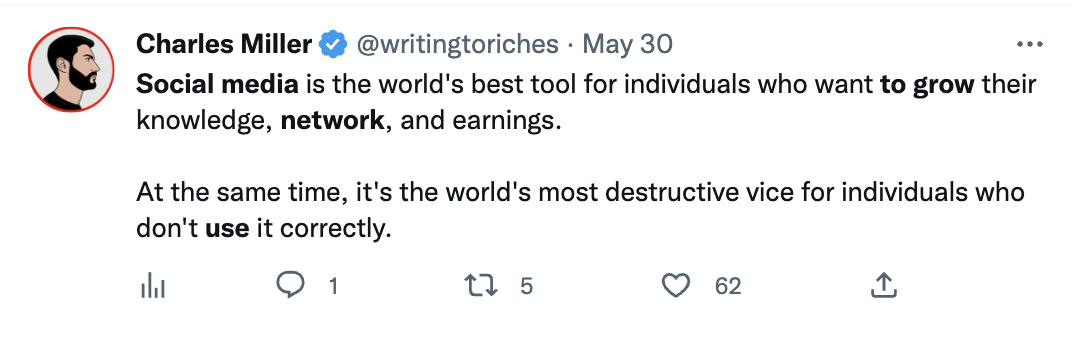
        1. Get active on social media (especially Twitter & LinkedIn)

        Charles Miller on using social media for networking.

        Social media platforms such as LinkedIn, Twitter, and Instagram can be useful tools for connecting with other writers and potential clients. You can use these platforms to share your work, engage with others in your industry, and showcase your skills and expertise.

        There are several ways for writers to connect with other writers on LinkedIn and Twitter. One strategy is to follow writing-related hashtags (e.g., #freelancechat, #amwriting), which can help you discover new content, resources, and writers to follow and engage with. 

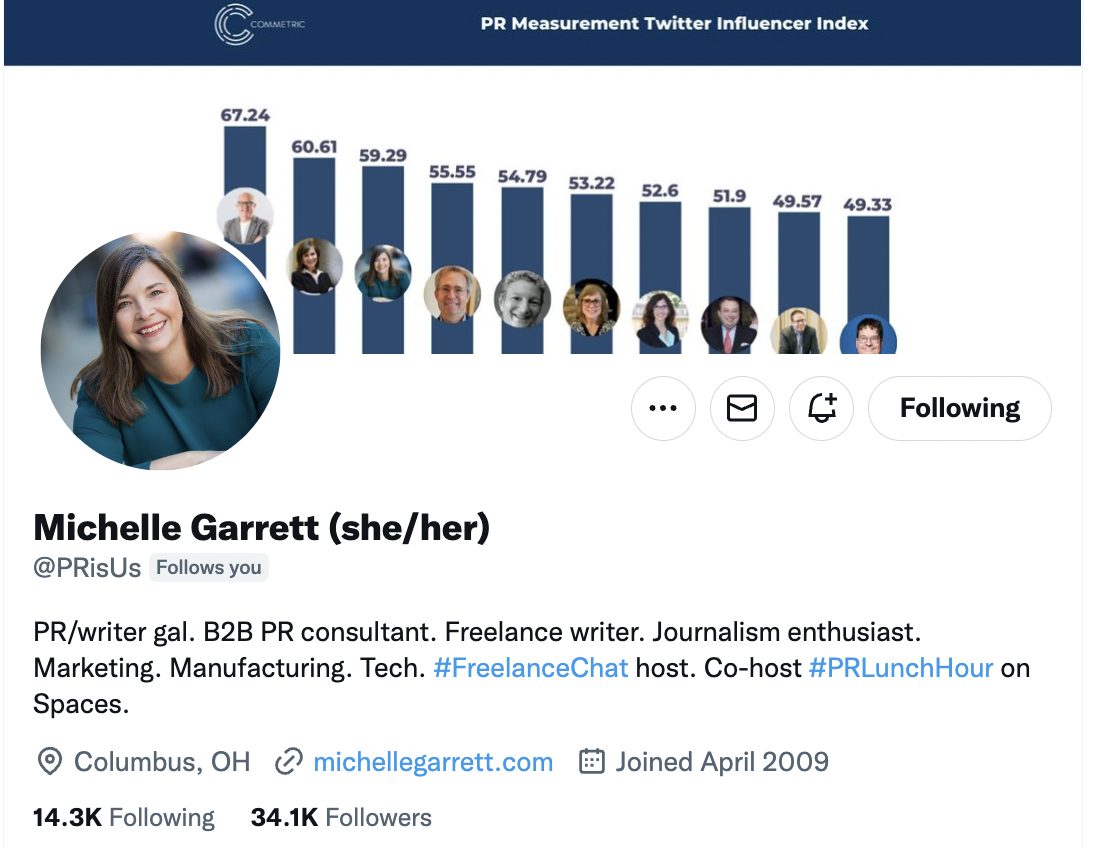
        Participating in Twitter chats or LinkedIn groups focused on writing is another way to connect with other writers and industry professionals. I already mentioned Freelance Chat. Freelance Chat is an event where freelancers meet every Thursday to discuss freelancing.

        #FreelanceChat

        Sharing your writing on social media can help you connect with other writers and potential clients, and engaging with other writers' content, whether through likes, comments, or shares, can be a good way to build relationships. I follow Erica Schnieder, Rob Lennon, and Kieren Drew on Twitter. These pros talk about how you can grow your social following through your writing.

        By using these strategies and being active on social media, writers can build relationships that can lead to collaboration, support, and networking opportunities.

        2. Attend writing conferences and events

        Attending writing conferences and events can be a great way to connect with other writers, industry professionals, and potential clients. You can network with others, learn about new trends and opportunities, and showcase your work.

        Consider checking out any of the following:

        Creator events. CEX 2023 is an event where content creators from all over come together and learn from one another. And guess who will be speaking there in May? Yours Truly.

        Writing conferences: Writing conferences can be a great way to learn about new trends, techniques, and resources in the writing industry. These conferences often feature workshops, panels, and keynote speakers, and can provide opportunities to network with other writers and industry professionals.

        Content marketing conferences: Content marketing conferences can be useful for writers interested in learning about marketing strategies and tactics for creating and promoting content. These conferences often cover topics such as SEO, social media, email marketing, and analytics.

        Industry-specific events: Depending on your niche or area of expertise, there may be industry-specific events that could be relevant to your writing career. For example, if you write about technology, attending a tech conference could be a good way to stay up-to-date on industry trends and connect with potential clients.

        Join writing groups or communities

        This is one of the best tips I can give you for building your network. Joining writing groups or communities, either online or in-person, can provide opportunities to connect with other writers and potential clients. These groups can also offer support, resources, and advice for navigating the freelance writing industry.

        I suggest joining:

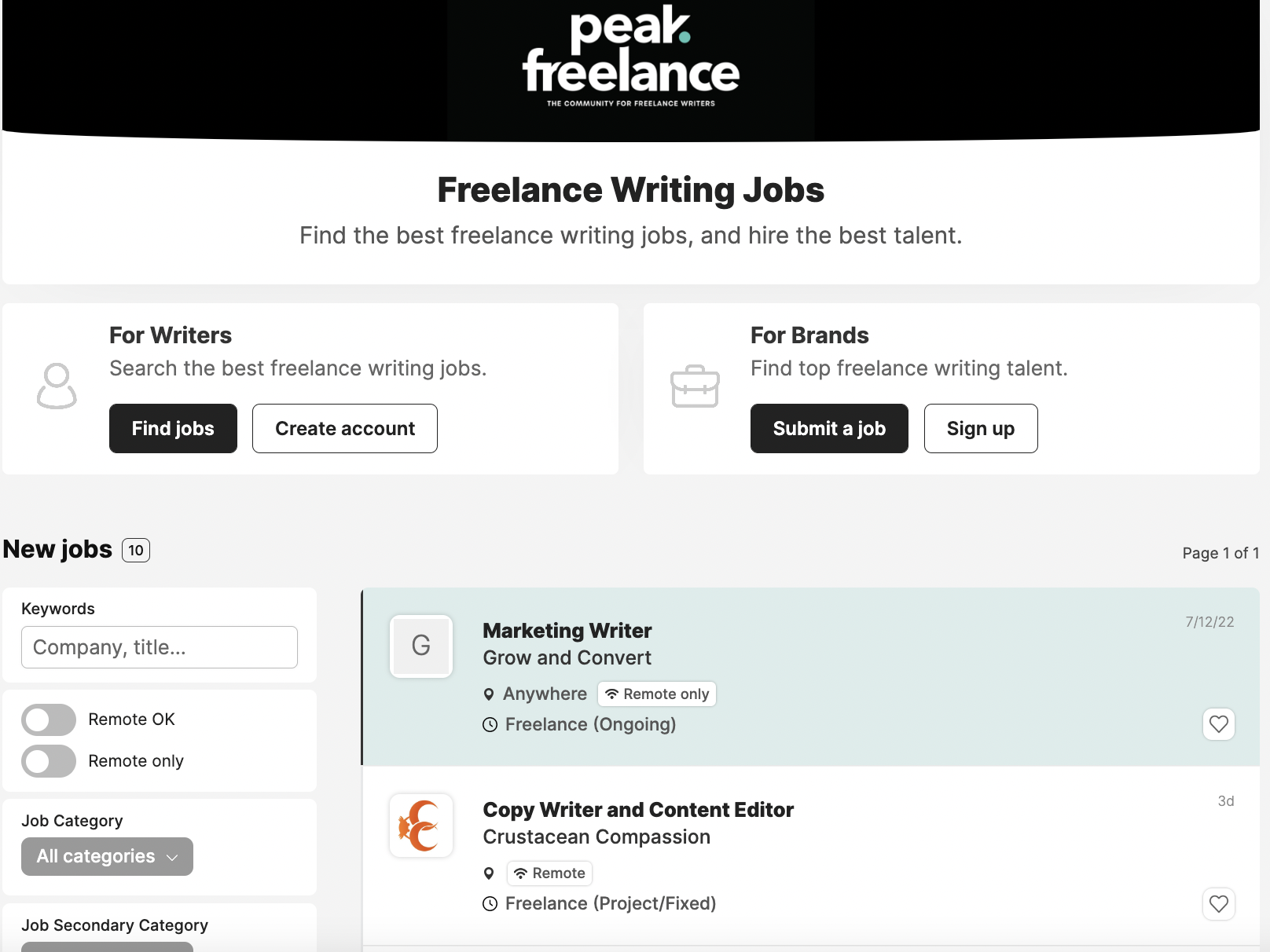
        • Peak Freelance. “Are you a freelance writer who wants to work with bigger and better clients, build a personal brand, and scale from $250/post to upwards of $1k? You'll love it here.” - Peak Freelance

        • Freelance Copywriters & Content Writers. This is one of the most active Facebook groups, and it's full of writers. This group isn’t your typical, run-of-the-mill spammy community. It has high standards and active moderation. You’ll get access to other professionals, opportunities, and killer advice.

        • Superpath. Superpath is another awesome community. If you’re a freelancer and haven’t checked it out, the time is now. You will find tons of value in the Slack group.

        *If you’re interested in Peak Freelance, send me a message. I can hook you up with a referral code and a discount.

        Reach out to freelancers, potential clients, or industry professionals directly

        If you have a specific area of expertise or niche, reaching out to clients or industry professionals directly can be a good way to find freelance writing work. There’s nothing wrong with connecting directly with people you want to work with.

        I received a pitch from a potential subcontractor today, and I loved the way the writer introduced herself. Check it out:


        Hi Ashley,

        I am an Indian freelancer, working primarily as a content writer and strategist for my clients.

        I recall starting to follow you on LinkedIn in late 2021 or early 2022. After digging more into your profile and it being close to a year now, all I can say is that I have enjoyed being a witness to the varied work you do and the insights you provide. 

        Cutting to the chase- I want to work with you!

        And not like many other people would. But in a way that required me to wait months to become confident in my work, follow what the players in the industry post, understand their needs, upskill myself, and prepare my portfolio while obsessing over each page, on whether it qualified to be presented to them.

        Being an enthusiast about the many aspects of life (food, travel, beauty, health, human psychology, work, and people), I decided to quit my full-time position at the Go-MMT Group (a leading travel company in India) and have been working as a freelancer up to this point. Fortunately, I had enough opportunities to spend a lot of time practicing content in various niches.

        I'm taking the liberty to send you my portfolio so you can have a look at the work I've been able to produce over the past year.

        If you're open to a freelancing model, I would love to go into great detail about what I can provide if you think my work can benefit what you do.

        Best,

        (FREELANCE WRITER)


        You can also send a targeted pitch showcasing your skills and portfolio or offer to write a (paid) sample article or piece of content.

        The best advice I can give you is to do a ton of research on the company or editor you are pitching. You will want to tailor your pitch to their needs, requests, and submission guidelines.

        If you’re struggling to get started, here’s a little template you can use to guide you. Remember, this is a starting point. You shouldn’t follow the template exactly.


        Subject: Inquiry about writing opportunities

        Dear [Client],

        I hope this email finds you well. My name is [Your Name], and I am a freelance writer with a background in [Your Niche or Area of Expertise]. I came across your company's website and was impressed by the [Insert Compliment About the Client's Business or Industry].

        I am reaching out to inquire about any writing opportunities that may be available at your company. I have a strong track record of producing [Insert Examples of Your Writing Experience or Skills], and I believe that my skills and experience would be a valuable asset to your team.

        I have attached a copy of my writing portfolio for your review. You can also find more examples of my work on my personal website at [Insert Your Website URL].

        I would love the opportunity to discuss how I can contribute to your company's content marketing efforts. Please let me know if you have any questions or would like to discuss further.

        Thank you for considering my inquiry.

        Sincerely,

        [Your Name]


        Join Content Connect!

        Subscribe to grow your writing & Marketing muscles.

          We won't send you spam. Unsubscribe at any time.

          Again, this template is just a starting point and can be modified to fit your specific goals and needs. When crafting a cold pitch, it's important to be professional, concise, and tailored to the specific client or company you are reaching out to. 

          Include examples of your writing experience or skills and a link to your writing portfolio or website, as this can help demonstrate your value and make your pitch more compelling.

          What are the best job boards to find work?

          While networking is the long game and will help you land freelance writing jobs, sometimes you don’t have time to wait. You have to get income and need to find new clients.

          For this situation, I recommend checking out job boards. I’ve found awesome work on job boards throughout the years. 

          Here are the best job boards:

          1. Peak Freelance

          2. Superpath

          3. BloggingPro

          4. ProBlogger

          5. MediaBistro 

          6. Flex Jobs 

          7. Freelancewriting.com

          8. Contena

          9. LinkedIn Jobs

          10. Content Writing Jobs 

          1. Peak Freelance

          Peak Freelance is the awesome freelance community I was talking about earlier. The team at Peak also scours the internet for fresh jobs and updates their board regularly. This is the perfect place to start.

          2. Superpath

          Superpath is also a community you should look into, and check out its job board while you’re at it. Superpath emails out new jobs every week. I’ve found a few cool gigs and great resources through this website.

          3. BloggingPro

          BloggingPro is a website that provides resources and tips for bloggers and freelance writers. According to its website, BloggingPro is "a blog about blogging for the pros." The site features articles on a range of topics related to blogging and content creation, including SEO, social media, productivity, and writing tips. 

          It also has a job board that lists freelance writing and blogging opportunities. BloggingPro is a resource for bloggers and writers looking to improve their skills, stay up-to-date on industry trends, and find new opportunities.

          4. ProBlogger

          ProBlogger was founded by Darren Rowse, a well-known blogger, and digital media strategist. ProBlogger is a resource for bloggers and writers looking to improve their skills, grow their audience, and monetize their blogs. 

          The site offers courses and ebooks to help bloggers and writers improve their skills and grow their businesses. And—you guessed it. The site also offers awesome job opportunities. Add ProBlogger to your list.

          5. Media Bistro

          MediaBistro is hit-and-miss for me, but it’s worth having on the list for sure, and it’s much better than Fiverr or Craigslist. It was founded in 1996 as a resource for journalists but has since expanded to cover a wide range of industries, including advertising, marketing, public relations, and digital media. 

          MediaBistro offers various services, including job listings, full-time jobs, courses and workshops, and industry news and analysis. It is a resource for professionals looking to stay up-to-date on industry trends, find job opportunities, and improve their skills.

          6. FlexJobs

          FlexJobs is a job search platform focusing on flexible and remote work opportunities. To find jobs on FlexJobs, you can follow these steps:

          1. Create a profile: First, create a profile on FlexJobs by providing your contact information, resume, and a list of your skills and experience. This will help you apply for jobs and be found by employers.

          2. Search for jobs: Once you have a profile, you can use the search function on FlexJobs to find job openings that match your skills and interests. You can search by location, job type (e.g., freelance, part-time, full-time), or industry.

          3. Apply for jobs: When you find a job you are interested in, you can apply by following the instructions in the job listing. This may involve submitting a resume, cover letter, and/or writing samples.

          4. Follow up: After applying for a job, it's a good idea to follow up with the employer to express your interest and inquire about the status of your application.

          7. Freelancewriting.com

          This website has been around for a long time, and it’s an excellent place to find potential job opportunities. The job board lists freelance writing opportunities and has a directory of writing markets and publications.

          The site also features articles on a range of topics related to freelance writing, including how to find work, improve your writing skills, and negotiate rates. 

          8. Contenta

          Contena is a platform that connects freelance writers with clients in various industries. It allows writers to create a profile, showcase their work, and apply for writing gigs. No matter what type of writing you do, you’ll want to check out Contenta.

          Contena also offers a range of resources and tools to help writers improve their skills and find work, including writing courses, job listings, and a community forum. 

          The platform is a resource for freelance writers looking to find work, improve their skills, and stay up-to-date on industry trends.

          9. LinkedIn Jobs

          LinkedIn is hot right now—for good reason. Everyone is getting more serious about networking on LinkedIn and finding good people to hire. This is especially true considering the platform chaos on Twitter.

          LinkedIn is a professional networking platform that also has a job board called LinkedIn Jobs. Here are a few reasons why LinkedIn Jobs may be a good resource for finding job opportunities:

          1. Professional focus: LinkedIn is a platform specifically designed for professionals, so the job listings on LinkedIn Jobs tend to be more focused on professional roles and industries.

          2. Large user base: LinkedIn has a large user base, including professionals from various industries and companies. This means many job listings on LinkedIn Jobs and a good chance of finding opportunities that match your skills and interests.

          3. Relevant job recommendations: LinkedIn uses data from your profile and activity on the platform to recommend job opportunities that may be relevant to you. This can make finding job openings that align with your skills and experience easier.

          4. Networking opportunities: LinkedIn allows you to connect with other professionals and build relationships that can lead to job opportunities. By building a strong LinkedIn profile and networking with others in your field, you can increase your chances of finding job openings that may not be advertised publicly.

          LinkedIn Jobs can be a useful resource for finding professional job opportunities, especially if you are looking for roles in specific industries or companies. It's also a good platform for networking and building relationships with other professionals.

          10. Contentwritingjobs.com

          ContentWritingJobs.com is one I found on the search engine but use often. It lists freelance writing (e.g., blogs, ebooks, white papers, etc.) and content creation opportunities on its job postings. According to its website, the platform is specifically designed for writers seeking work in the content marketing industry. 

          ContentWritingJobs.com is one of the best freelance writing job boards. It features high-paying and high-quality job listings from various industries, start-ups, and companies, as well as resources and tips for writers looking to improve their skills and find work. The platform is a resource for freelance writers seeking content marketing-specific job opportunities from other business owners. You can also find technical writing jobs here sometimes.

          Did you like this article? Subscribe to Content Connect!

          Join Content Connect!

          Subscribe to grow your writing & Marketing muscles.

            We won't send you spam. Unsubscribe at any time.

            Networking and job boards are both great ways to find freelance writing gigs and show off your writing services. 

            Do you know how else beginners can find great gigs and build a network? You can subscribe to Content Connect. I send weekly emails for writers and content marketers, and it’s full of goodies like pay rates, type of work you can get in the freelance writing industry, and step-by-step info on how to get started and grow.